Table Of Content

“Waxes can irritate the skin, and doing skin tests on a small surface area is, unfortunately, the only way to know which one might cause you irritation,” notes Rochonchou Sargent. If using hot wax to remove facial hair at home, you’ll need to be extra careful. “It is of paramount importance to make sure that the hair is not only long enough, but above all, that the wax is not too hot. The wax is designed to stick to the skin, and hot wax can absolutely burn you,” cautions Dr. Yadav. “You will also want to fully exfoliate before waxing to ensure the hair is fully exposed for best results.” Many people find using wax strips — which don’t require heating — easier to use safely and effectively at home. The length of treatment depends on the size of the area being treated.
Top doctors in ,
On top of that, laser hair removal does become less painful with each session as there's less hair to treat every time. To safely remove the peach fuzz and facial hair without any nicks and cuts, use a razor that is made for the face. The blade will be smaller and easier to maneuver than your average razor. A good option is the Sephora Collection Metal Facial Razor ($18).
Shop other hair removal devices we love
However, it only has one treatment head, unlike many of its competitors. Although that super-affordable laser spa might sound better on your wallet, it might not end up being the best (or safest) option. Make sure that the person performing your treatment is licensed and knowledgeable (aka read reviews, DM people on Instagram who've posted before and afters—FWIW, we vetted all of the above studios carefully). Sorry to shatter any dreams of laser as a one-size-fits-all hair removal from the face solution, but some individuals just need not apply.
Recovery and Risks
It’s primarily used as a cosmetic procedure against wrinkles or scarring, but can also remove facial hair. That said, the focus is on the removal of the light, fine hair on the skin known as vellus hair or peach fuzz. The results can last longer than shaving and these creams may be cheaper than waxing. If you're ready to discard the razor and wean off the waxing, laser hair removal can give you long-lasting smooth skin without the daily routine.
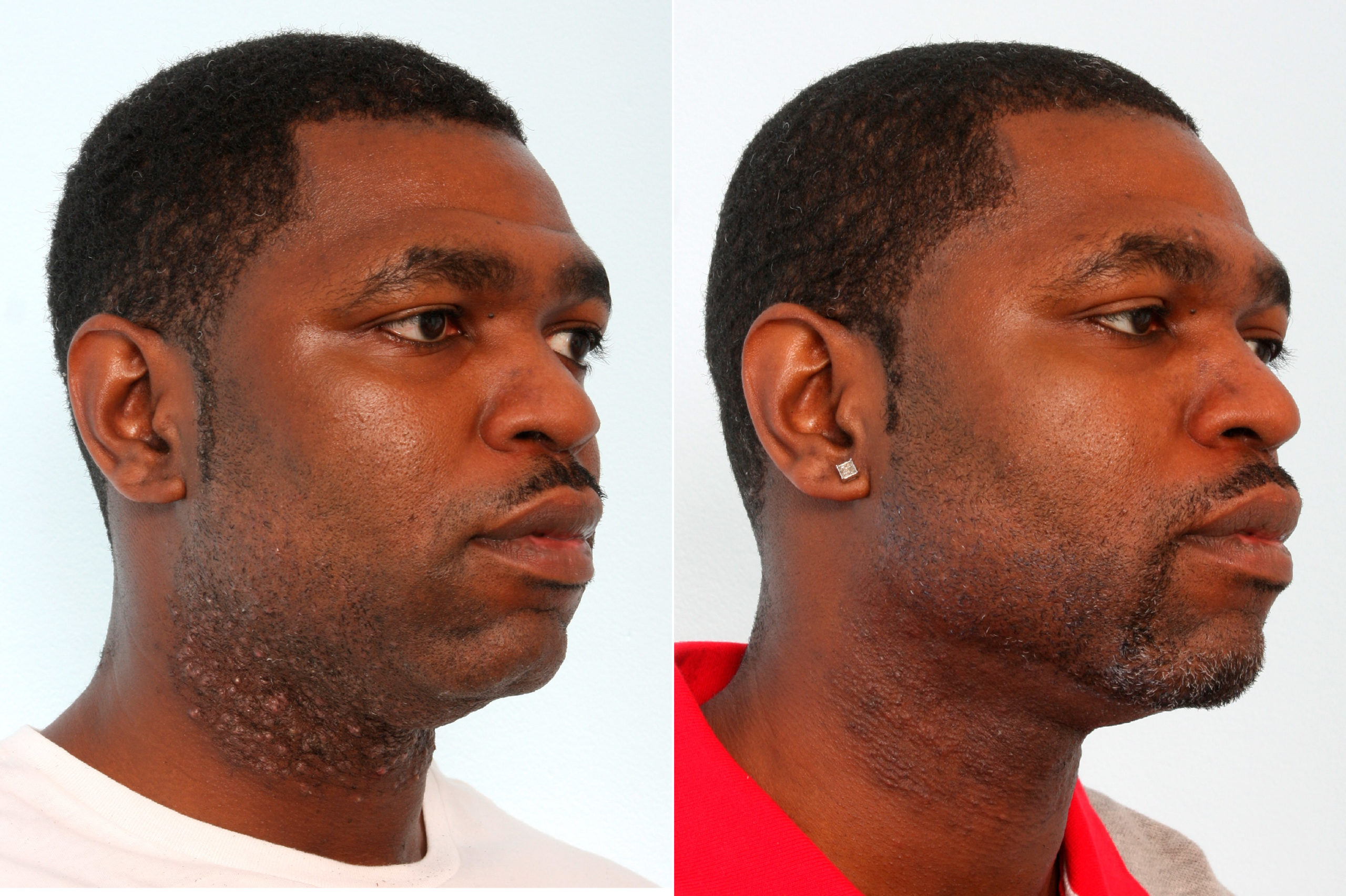
"This does not mean that there is zero chance that something can go wrong, but the odds of something happening are very low," she says. But I'm personally the biggest fan of their laser-hair removal service. First of all, the pricing is v transparent and didn't require me to ask a ton of questions and practically sign my life away to figure out how much everything would cost. Plus, I felt so comfortable in the studio and never felt rushed.
This promotes a smooth surface and reduces the likelihood of cuts. Glide the shaver over your face in the direction of hair growth. Tweezing is generally very safe, making it a great choice if you’re worried about getting your hair removal wrong. “It;s very low risk and while it can be a little uncomfortable, it’s quick and usually pretty painless,” says Dr. Yadav.
You are unable to access laseraway.com
Save 50% On This At-Home Laser Hair Remover - TMZ
Save 50% On This At-Home Laser Hair Remover.
Posted: Fri, 23 Feb 2024 08:00:00 GMT [source]
Laser hair removal is a procedure to remove unwanted hair using heat to damage the hair follicle. When done by a trusted technician, it can guarantee long-term results with minimum side effects. It works best on those with contrasting skin and hair colors, for example, light skin and dark hair. It's important to keep treated areas out of the sun and away from indoor tanning equipment.
Watch this video to learn how laser hair removal can help treat issues like razor burn and ingrown hairs. Some laser hair removal providers may offer financing or installment payment options. Generally, laser hair removal is not covered by insurance because it is considered a cosmetic treatment. However, there are some instances where the procedure may be considered medically necessary and be covered by insurance. If you have a skin reaction immediately after laser hair removal, the doctor might apply a steroid cream to the affected area. When the doctor activates the laser, the laser beam will pass through your skin to the hair follicles.
Risks / Benefits
The good news is, the old wives' tales suggesting that shaving makes your hair more thick, dark, and wiry just 'ain't true. The truth is that those pesky chin and upper lip hairs are better off being whipped away by a razor than painfully plucked one by one. Before you think of shaving, making use of the best depilator products, or plucking away with your tweezers—please down tools ahead of having laser hair removal on the face. "It’s very important the hair is present because we only treat where the hair is growing," says Lambert.
Cute and compact, Nood's IPL device is less intimidating in the grand scheme of at-home laser hair removal. It works quickly — the brand touts 10-minute treatments — and offers seven different intensity levels to choose from based on your skin’s sensitivity. Laser hair removal on the face is an excellent treatment for those wishing to tackle anything from unwanted peach fuzz to wiry prickly patches. However, because the subject of facial hair is often deemed taboo, it can be shrouded in mystery—which I discovered when I began my own treatment journey.
“You can actually get something called paradoxical hypertrichosis from a laser,” Dr. Rahman says. Additionally, you can potentially get burned if your wax is too hot, and some facilities have a hard time keeping the wax sanitary due to double dipping or reusing the same wax on multiple people. (Generally, you can avoid these complications by going to a place you trust or that a dermatologist or a friend recommended.) Inflamed hair follicles, ingrown hairs, or hyperpigmentation are also possible side effects. There’s no one-size-fits-all method for facial hair removal—and it may take a little trial and error to figure out which you like best.
In a small study that compared a professional laser (Diode) with an at-home laser device, researchers found that both in-office and at-home laser hair removal treatments showed positive reductions in hair count. However, there was a greater reduction in overall hair counts in people treated with the Diode laser compared to the at-home laser device. The procedure has been shown to be ineffective for thin, fine hairs (or peach fuzz), and hairs that are white, grey, or red. There are also more side effects reported in people with darker skin types. Laser hair removal is a non-invasive procedure that uses pulses of concentrated light to remove excess or unwanted hair from the face or body. The treatment is typically performed by a qualified, trained medical provider such as a dermatologist (a specialist in conditions of the skin, hair, and nails) or a plastic surgeon.
Ideally, you should arrive at your appointment with clean skin, but you will be provided materials to cleanse the treatment area before Facial Laser Hair Removal. Expect to be a bit patient — it may take up to 2 to 3 weeks for you to see a noticeable difference in hair growth, and it may take several sessions to see full results. Data from the American Society for Aesthetic Plastic Surgery showed that in 2016, laser hair removal was one of the top 5 nonsurgical procedures in the United States.
You’ll be able to choose the exact areas that you want to maintain perfect smoothness. Most at-home hair removal devices on the market are ineffective on darker skin tones, but the Illuminage Touch is an FDA-cleared system, using both IPL and radio frequency energies, that claims otherwise. "IPL stands for intense pulsed light," explains Dr. Rachel Nazarian, a board-certified dermatologist based in NYC.


No comments:
Post a Comment